When handling or shipping hazardous materials, proper labeling and
marking are essential for safety and compliance. These identifiers communicate
crucial information about the materials being transported—helping prevent
accidents, ensuring proper handling, and guiding emergency responders if
something goes wrong.
Understanding how to correctly label and mark hazardous materials isn’t
just a regulatory requirement—it’s a key part of keeping people, property, and
the environment safe.
Why Proper Labeling Matters
Labels and markings provide a universal system for recognizing hazards.
They make sure anyone who comes in contact with the materials—whether in a
warehouse, in transit, or at a job site—knows exactly what they’re dealing
with.
Correct labeling helps:
- Prevent accidents and
misunderstandings during handling, transport, and storage.
- Meet DOT and PHMSA requirements outlined in 49 CFR Parts
172–180.
- Protect your organization from fines, shipping delays, and
safety incidents.
Labels vs. Markings: What’s the
Difference?
Although the terms are often used together, labels and markings
have distinct roles:
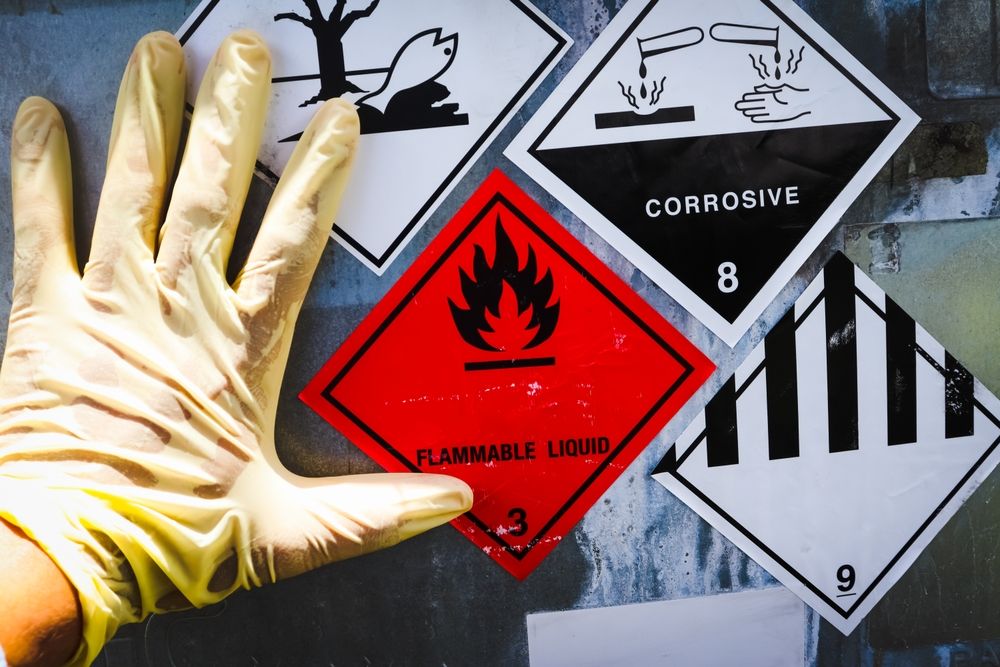
- Labels are diamond-shaped hazard
symbols, typically 4 x 4 inches, that indicate a material’s hazard
class—such as flammable, corrosive, or toxic.
- Markings provide written details,
including the UN identification number (e.g., UN1203 for gasoline),
the proper shipping name, and any special handling instructions
like “Inhalation Hazard” or “Marine Pollutant.”
Both must be visible, durable, and legible, remaining intact
through normal transportation and handling.
Your Clearinghouse record follows you everywhere. That’s good news for
safety—but it means drivers must take testing requirements seriously.
Key Requirements for Labeling and
Marking
When preparing hazardous materials for shipment:
- Review the Shipping Papers
Ensure the proper shipping name, hazard class, and UN number are listed
correctly. These determine the exact labels and markings required.
- Apply the Correct Labels
- Use the appropriate primary
hazard label and, if needed, a subsidiary hazard label.
- Place labels on the same surface
and near the shipping name marking.
- Make sure labels are flat,
unobstructed, and securely affixed.
- Use Proper Markings
- Include the correct UN/NA
identification number and the shipper or consignee name and address.
- Add any required additional
wording (e.g., “Limited Quantity,” “Inhalation Hazard,” etc.).
- Ensure markings are durable and
resistant to weather, abrasion, and chemicals.
- Inspect Regularly
Before shipment and during handling, check that all labels and markings
remain legible and in good condition. Damaged or missing labels must be
replaced immediately.
Common Mistakes to Avoid
- Using incorrect or outdated
hazard labels.
- Applying labels to curved or
uneven surfaces that make them hard to read.
- Omitting required subsidiary
hazard labels.
- Forgetting to ensure that the UN
number on the package matches the shipping paper.
Staying Compliant and Safe
- Keep a copy of 49 CFR 172
Subparts D–F available for reference.
- Schedule regular hazardous
materials training for all employees involved in packaging, labeling,
or shipping hazmat.
- Choose durable,
weather-resistant materials for outdoor or long-distance shipments.
- When uncertain, contact your hazardous
materials safety officer or the PHMSA Hazardous Materials
Information Center for clarification.
Final Thoughts
Proper labeling and marking of hazardous materials are fundamental steps
in maintaining safety throughout the supply chain. They ensure that
everyone—from handlers to inspectors to emergency responders—has the
information they need to stay safe.
Taking the time to verify labels, markings, and documentation before
shipment isn’t just about compliance—it’s about responsibility. When done
right, it protects your workers, your community, and your business.